The world today is undergoing rapid transformation, yet most education systems around the globe have barely changed.Children are born and raised in a modern era, but the education they receive is still based on outdated systems that fail to equip them with the essential skills and preparation they need. As the world becomes more complex — in terms of environment, society, and knowledge — this gap can lead to significant problems. Therefore, the traditional education model may no longer be sufficient, making educational transformation more important than ever.
Educational Transformation Unlocks the Full Potential of a New Generation – Starting with These 4 Pillars
1. Blending Academic Learning with Creative Thinking in Practical, Real-World Ways
True educational change begins with integrating academic instruction and creative thinking in ways that can be applied in school, daily life, and future studies.
While language and mathematics are vital, creativity is just as important.
As Sir Ken Robinson famously said in his TED Talk “Do Schools Kill Creativity?”, every child is born with immense potential, yet traditional education often stifles that creativity and capacity to grow.
Were you great at math in school? Or perhaps language?
What if you weren’t strong in either?
Even if you had talents in other areas, traditional education systems often ignored them when defining who is “smart.”
But to move our world forward, we need people of many different strengths — not just those good at math or language. Without diverse talents, we wouldn’t have world-class chefs, visionary designers, or groundbreaking entrepreneurs.
In the real world, people need a mix of skills to succeed.
Take surgeons, for example:
To push medical treatment to the next level, they need academic excellence, creative thinking, emotional intelligence, and leadership to guide their teams.
This is why schools must shift to an “Interdisciplinary Approach” — teaching students to connect knowledge across subjects, see real-world relevance, and enjoy the process of learning.
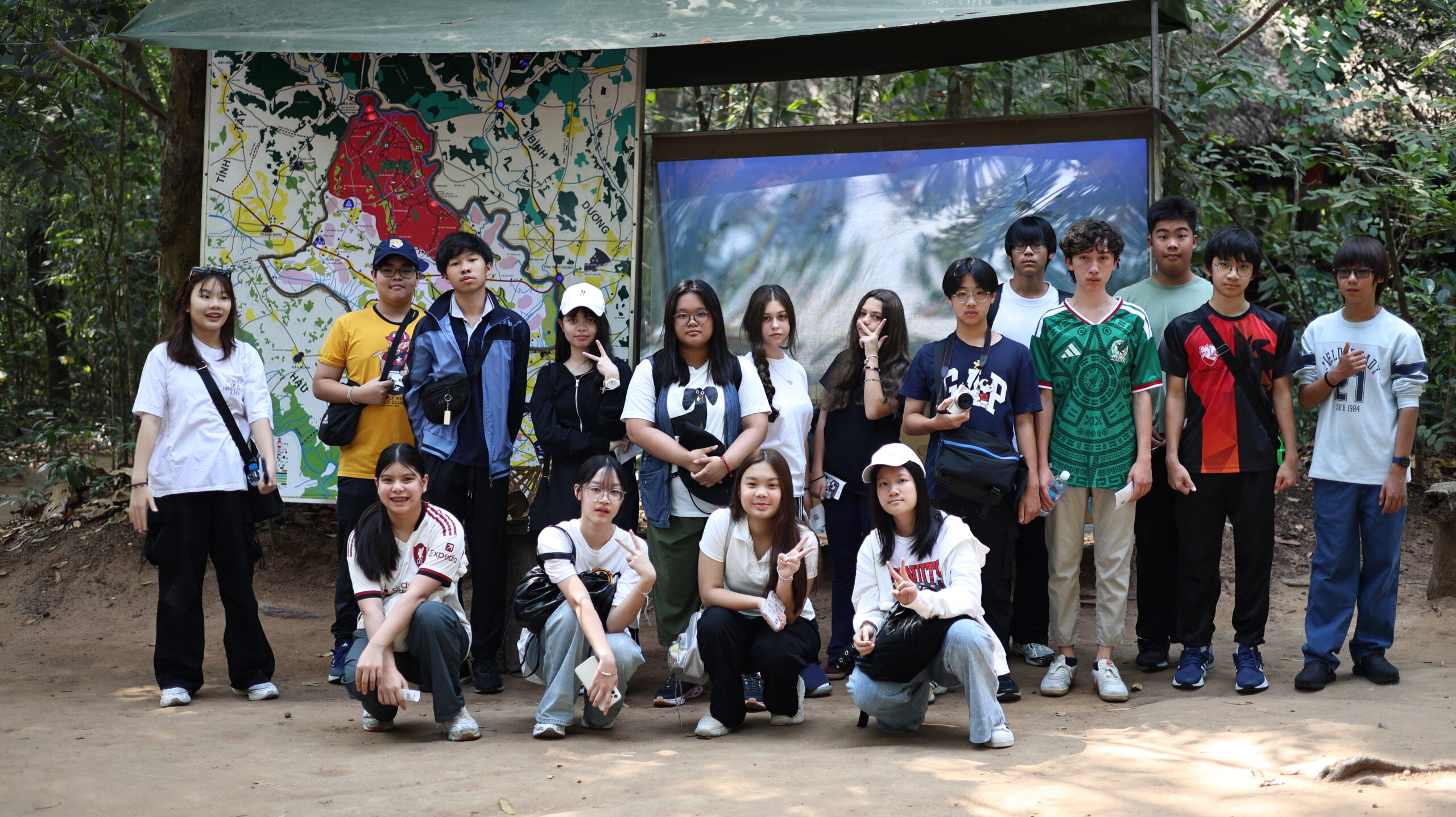
Today, many schools implement Project/Problem Based Learning, where students research and explore topics they’re truly passionate about, allowing for self-driven discovery and problem-solving.
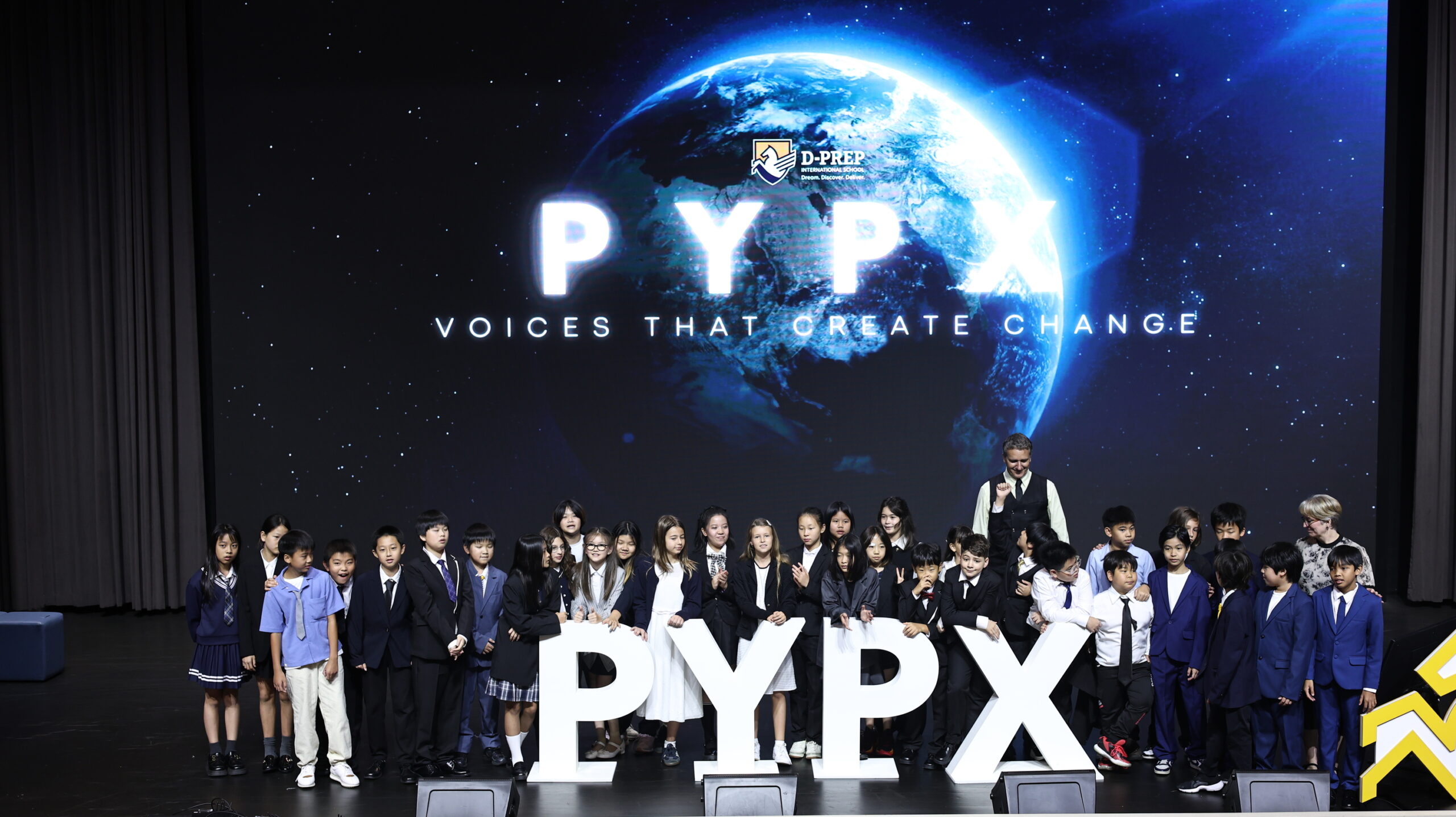
At D-PREP, we adopt Expeditionary Learning (EL) — a curriculum that focuses on in-depth research and project creation.
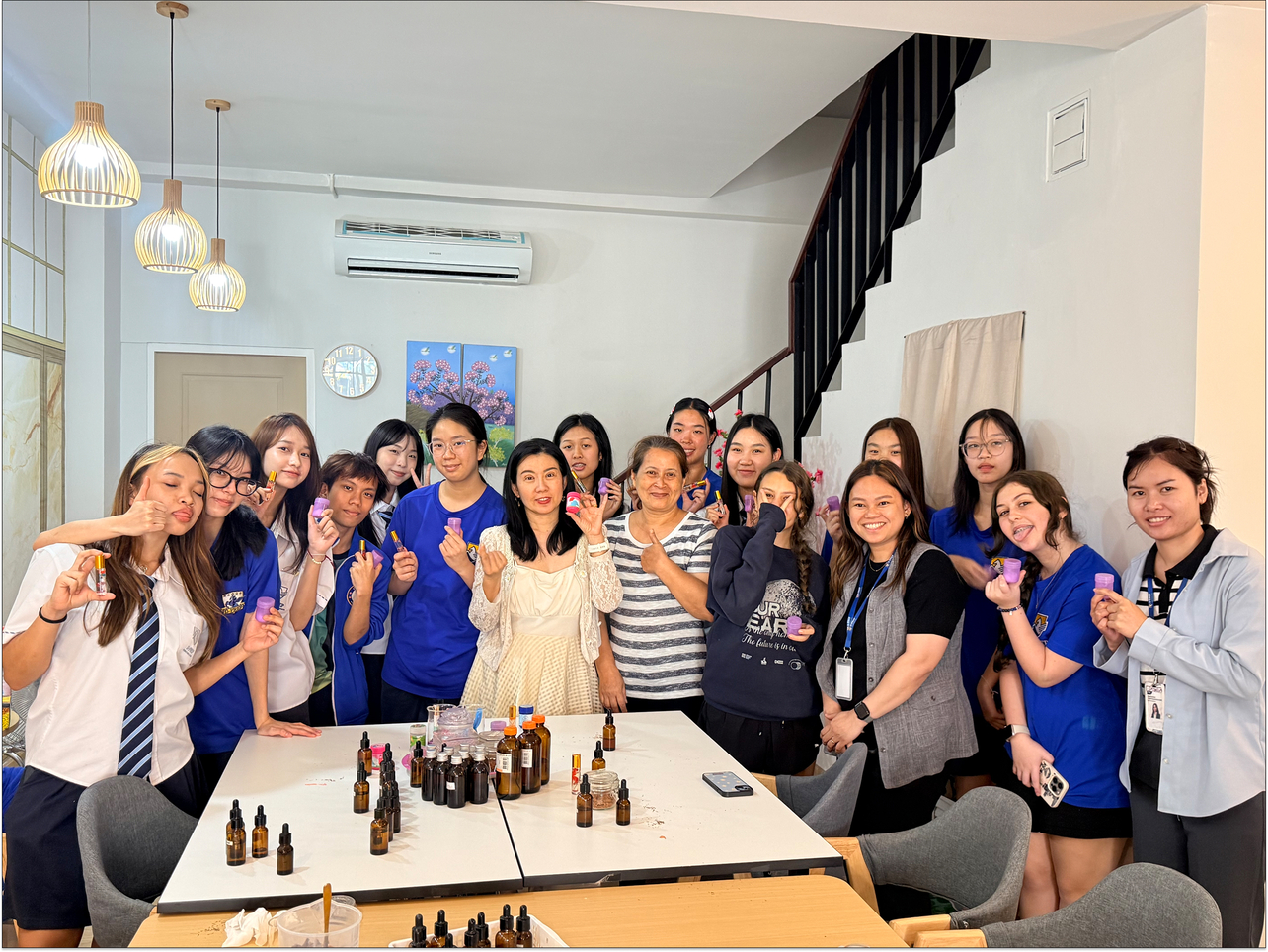
Students actively engage in learning, develop real-world projects, and collaborate closely with experienced professionals. They gain hands-on skills and even explore whether they truly enjoy that career path.
It’s rigorous, immersive, and ideal for preparing today’s students for tomorrow’s world.
2. Educational Reform Cannot Be Truly Effective If Students Don't Feel Joy and Passion in Learning
Many of us have wondered:
“We learned so many things in school, but why did we rarely use any of it?”
The truth is, much of what we learned was important and necessary.
However, we lacked the understanding of why it mattered, how it connected to real life, or how it could be applied in the future.
Genuine learning should come from a place of curiosity and passion — a desire to ask questions and explore.
When students understand the relevance and purpose of what they’re learning, even subjects they don’t particularly enjoy become more engaging.
Especially when they see that their knowledge can help others, the motivation to learn increases.
If that connection isn’t made, then no matter how hard teachers try, the lessons will simply go “in one ear and out the other.”
That’s why schools should not only teach what must be taught but also what students want to learn.
Or, better yet, make what’s necessary interesting — so students can see its value and truly benefit from their education.
3. Letting Students Be Themselves — Learning Without Fear of Making Mistakes
Combining academic knowledge with freedom of thought is key to meaningful educational transformation.
Finland has seen remarkable success with its “50% play, 50% learning” model.
This approach allows children to remain curious, imaginative, and childlike — giving them space to solve problems on their own while receiving support, not pressure.
Within a safe, nurturing environment and with the guidance of supportive teachers, children can try, fail, and learn through their own experiences — which is the foundation of deep learning.
Many adults may struggle to see the value in failure. Out of love, they worry about children feeling disappointed or “not good enough,” and thus apply pressure for success.
But we must ask: Is that pressure truly necessary?
Teachers should praise effort — even when students make mistakes.
This tells children that trying matters more than succeeding, and helps them develop confidence, resilience, and a love of learning.
When children aren’t afraid of failure, they’re more willing to explore, ask questions, and grow.
At D-PREP, we incorporate Play-based Learning, where children develop skills, social understanding, physical coordination, and cognitive growth — all through the power of play.
As they play, children explore, think creatively, solve problems, take on challenges, and stretch their imagination.
We also draw inspiration from the Reggio Emilia approach, an educational philosophy for early childhood that emphasizes mixed-method learning and believes the most powerful learning happens when it’s driven by the child’s own curiosity and discovery.
4. No Matter How the World Changes, Teachers Must Always Teach Skills That Are Relevant, Practical, and Truly Useful
Schools, like families, should each have their own identity.
Children are diverse in personality, background, and interests — which means one standardized education system no longer fits all.
Therefore, schools must innovate and reimagine learning to keep up with the pace of educational change. This involves:
Helping students understand themselves and empowering them to make choices about their own future
Teaching students how to apply knowledge meaningfully in real life
Nurturing not just academic skills, but also life skills and holistic development
Schools should offer variety and personalization to meet the needs of every family, while continuously evolving to stay aligned with the modern world.
Without doing so, we risk falling short in preparing the next generation of changemakers and creators.
Education must evolve from an academic-only model to a whole-child approach, equipping learners with:
Life skills
Problem-solving abilities
Self-development and growth mindset
The ability to learn from mistakes
Creative thinking
With these capabilities, children will grow into well-rounded individuals who not only improve themselves but also contribute to building a better society and world.
If you’re interested in visiting the school, please contact us at:
Address :
D-PREP International School
38, 38/1-3, 39, Moo 6,
Bangna Trad Rd., Km. 8,
Bang Kaeo, Bang Phli District,
Samut Prakan, Thailand 10540
Email: info@didyasarin
Google Map: https://info.dprep.ac.th/directions
เบอร์ติดต่อ: 02-105-1757, 082-1515922
Website : www.dprep.ac.th
Facebook: DprepSchool
Line: @d-prep
IG : @dprepschool