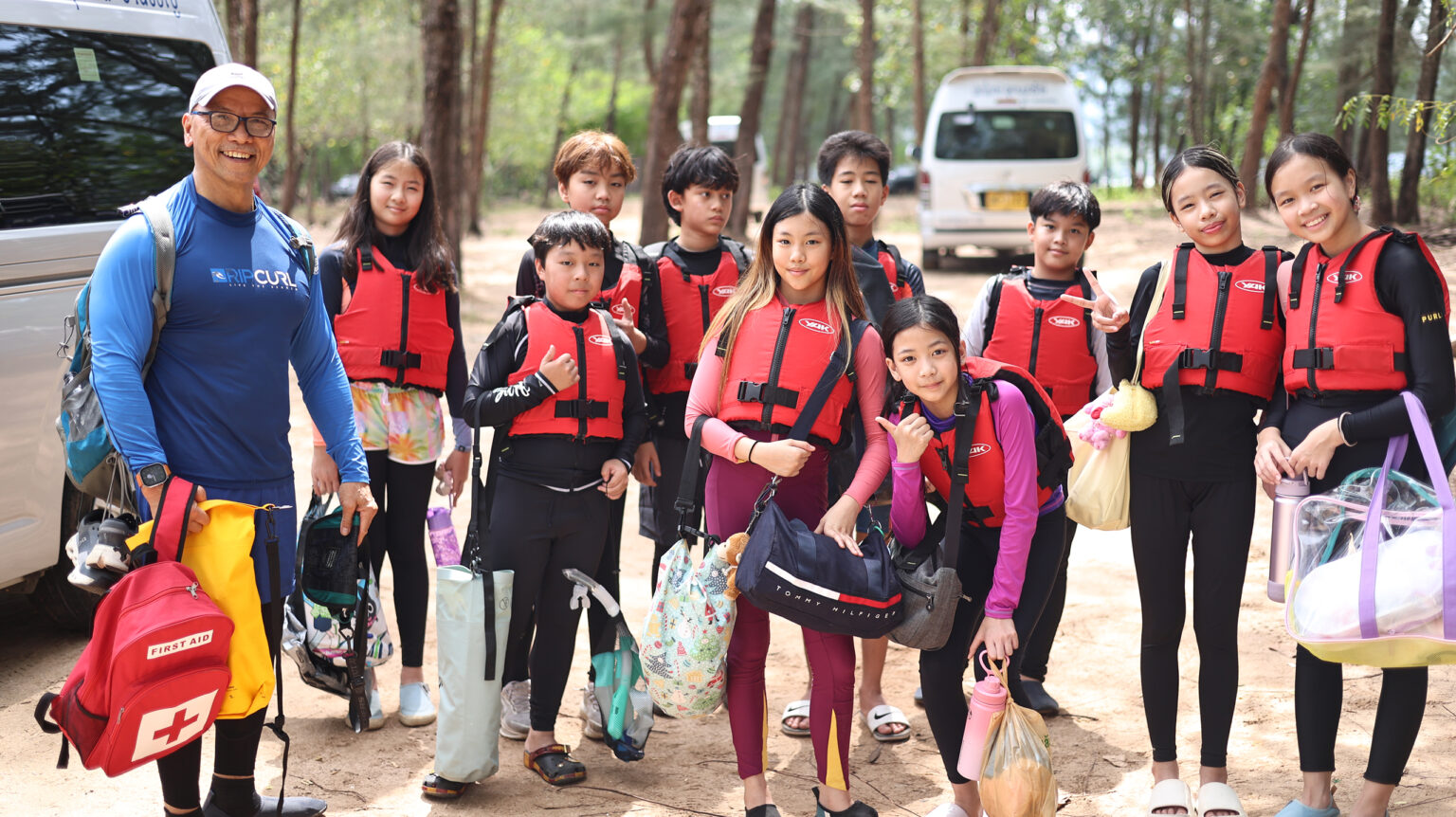
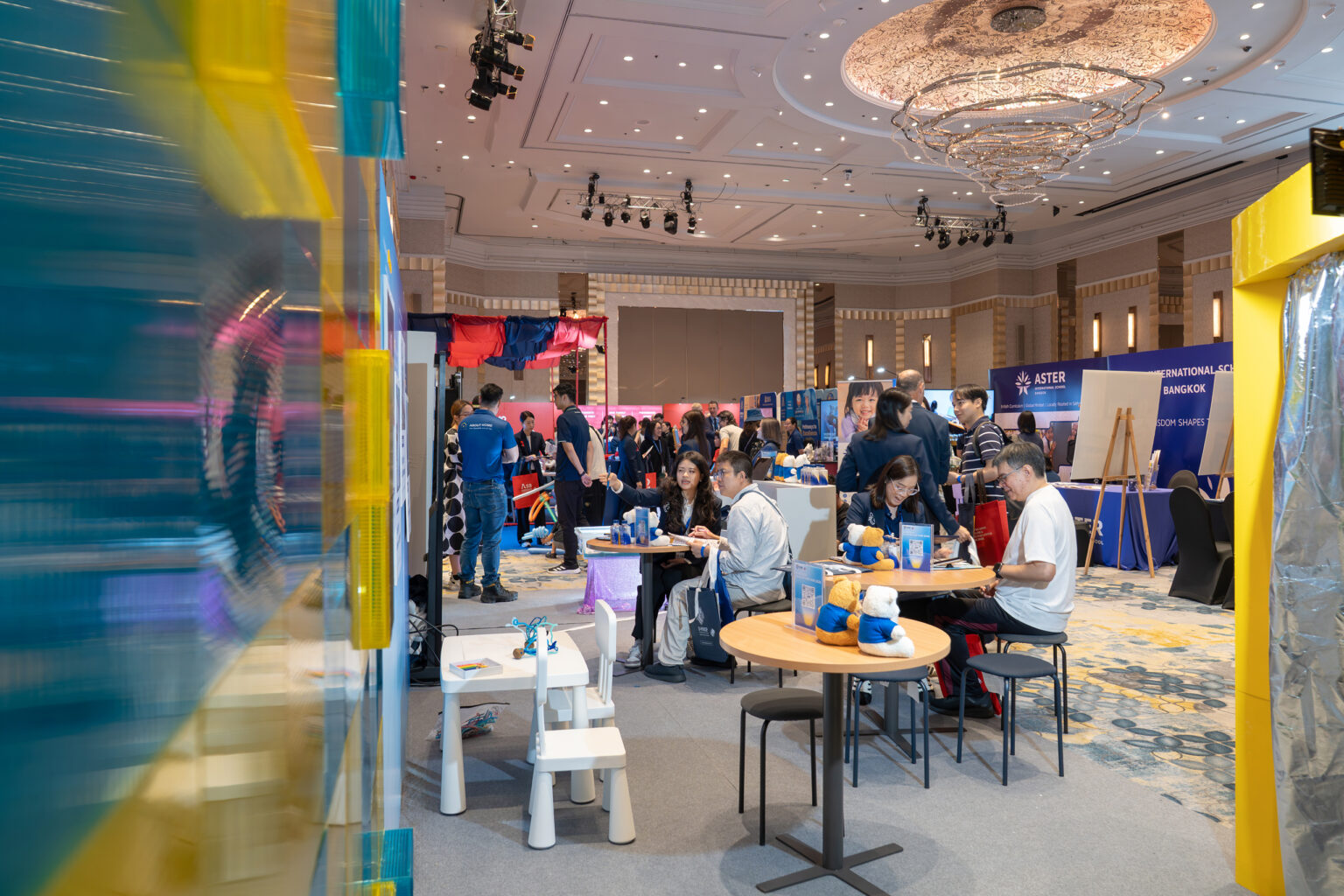
This semester, our academic journey is shaped around three key themes. The first brought the community together through leadership, and now we are into the second part: innovation and experiential learning.
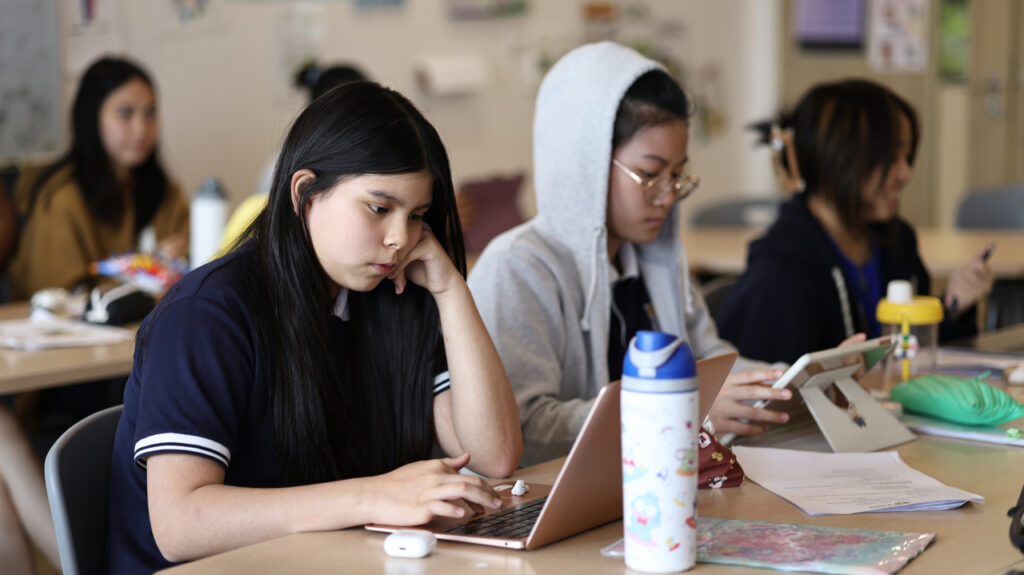
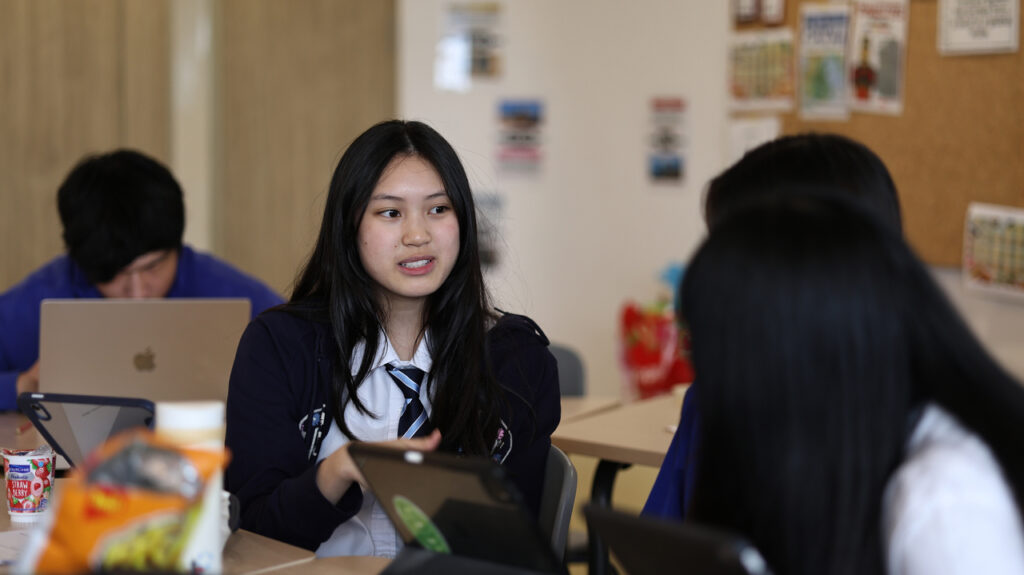
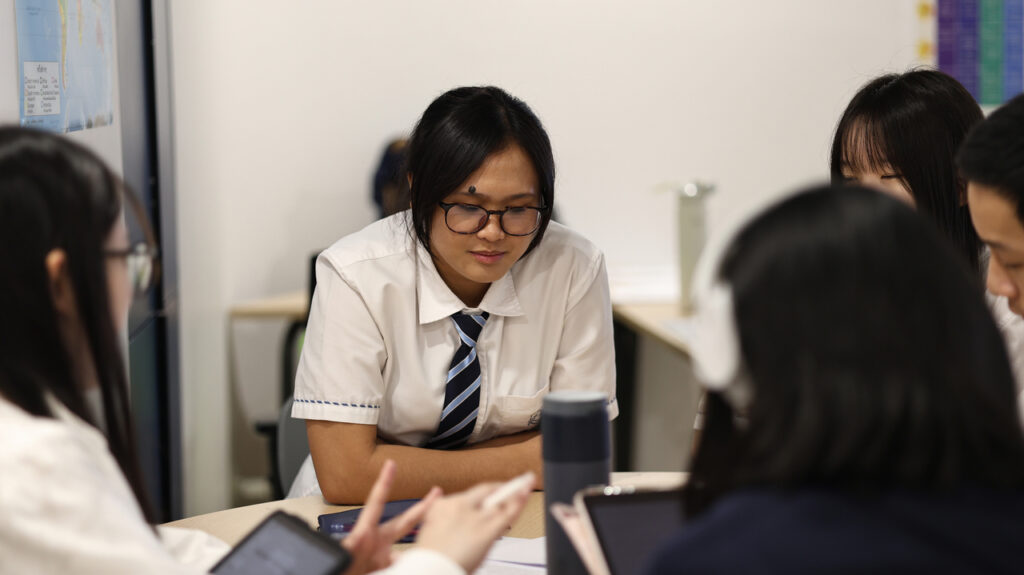
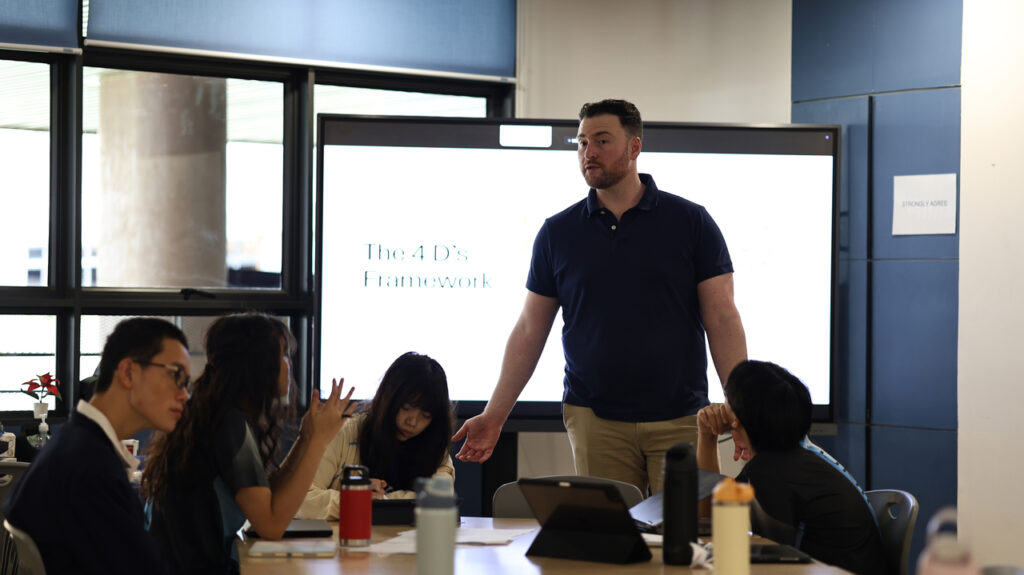
D3 Week (formerly known as 3D Week) was a key academic component of the D-PREP Secondary programme and a distinctive feature of the semester’s curriculum. During this week, students engaged in learning through an alternative academic framework designed to extend conventional curricular approaches while maintaining rigour and depth. Students selected a course aligned with their academic interests and dedicated the week to sustained study within that discipline. The programme was intended to promote intellectual curiosity, depth of understanding, and meaningful academic engagement through a focused and structured model of learning.
Here are the eight courses our students explored during D3 Week:
Crisis Management
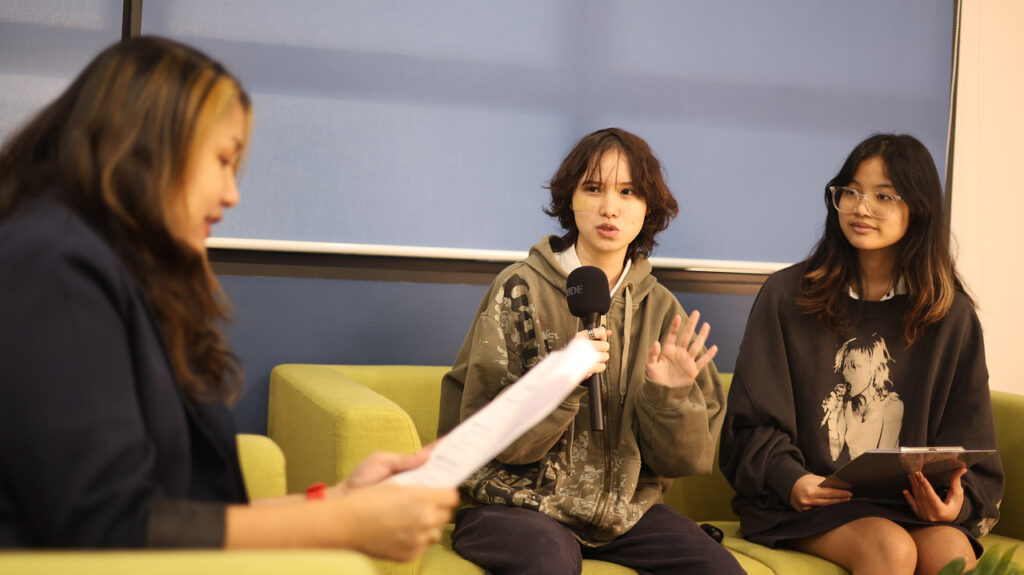
When something goes wrong publicly, how an organization responds matters as much as what actually happened. Students took on full team roles to work through high-pressure crisis scenarios. They held mock press conferences, delivered live statements, and crafted public messaging to protect reputations and communicate clearly under pressure. They learned how word choice, timing, and delivery shape public perception and how strategy is used to manage damage and rebuild trust.
Cosmetology
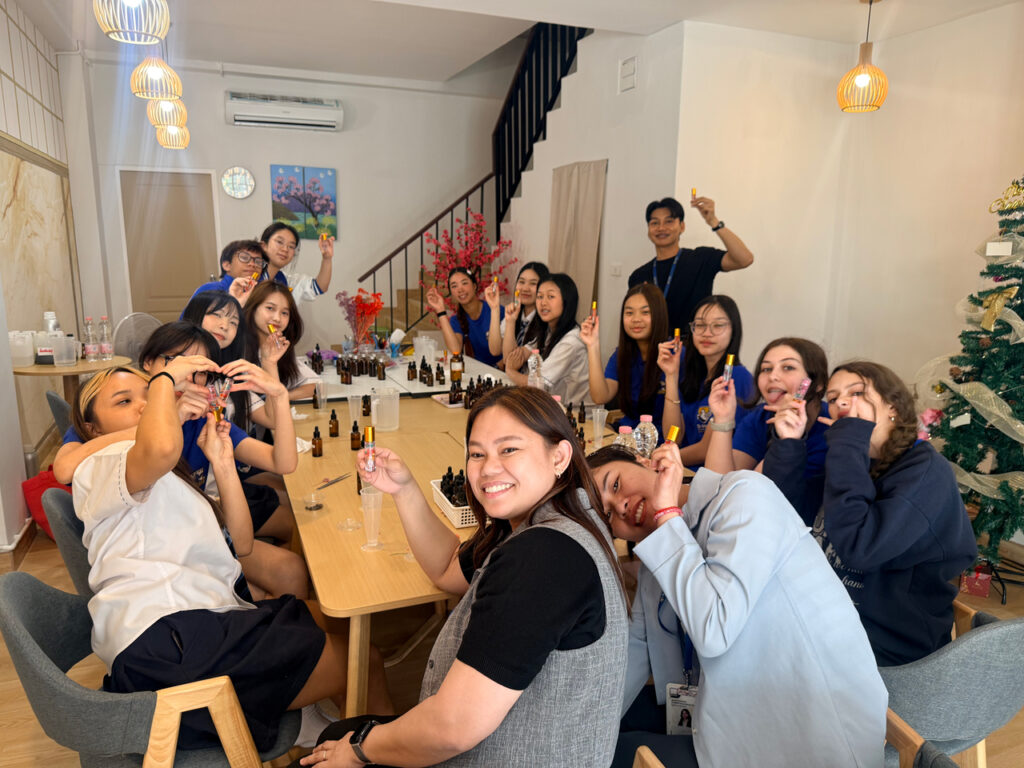
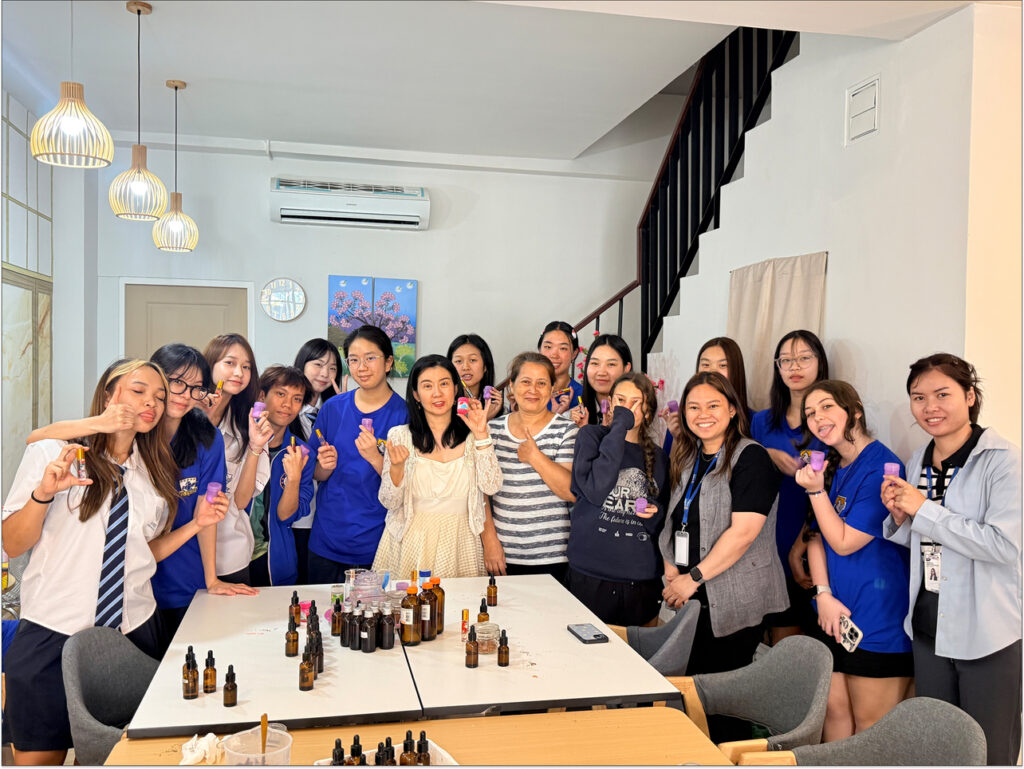
This course took students into the chemistry lab to see the science behind the products we use every day. Students attended a cosmetology training where they formulated their own scented inhalers (Ya Dom), learning about the specific chemicals, scent properties, and benefits involved. They also created lipsticks, soaps, and lotions from scratch, working with precise measurements and following professional safety and regulatory standards to understand the complex process of product formulation.
Marketing and Food
Food is something we all think we know well, but marketing shapes more of that perception than we realize. In this course, students studied the food industry through two lenses: what we actually know about the food itself, and how branding influences what we think we know. They analyzed packaging, food coloring, labeling, and advertising strategies to understand how a product is positioned long before it reaches the consumer. By exploring what drove food trends, students built a sharper understanding of how perception is constructed and how it drives the decisions we make every day.
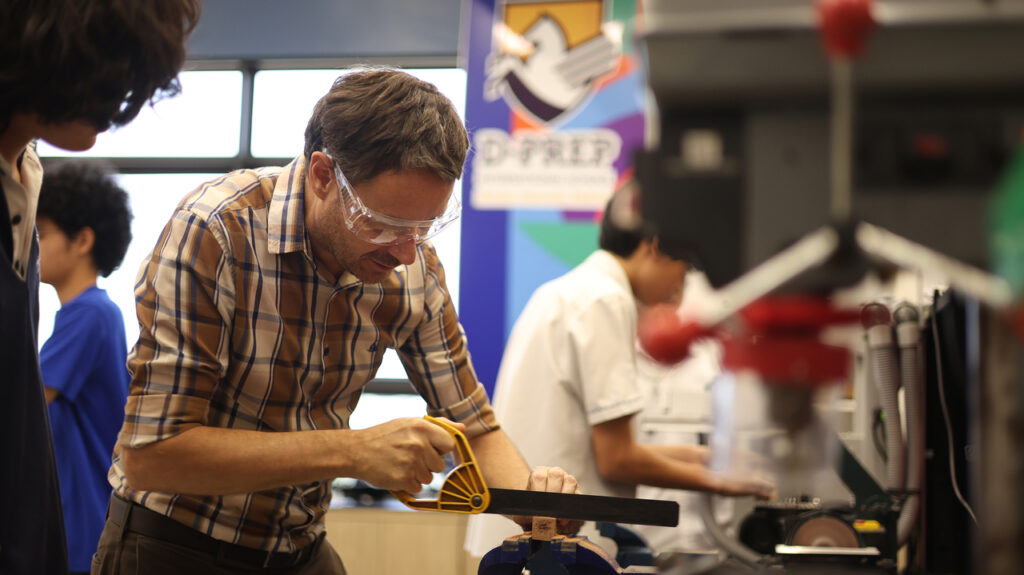
Woodworking Exploration
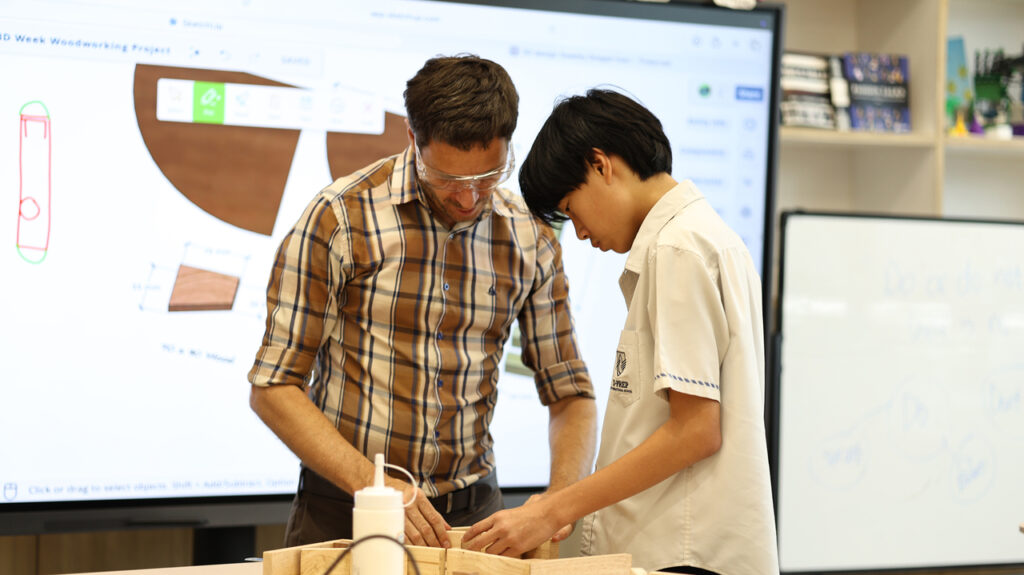
Woodworking is about much more than just the material; it is about the discipline of creation. In this course, students learned to transform raw timber into functional objects through a step-by-step technical process. Mastering the lab equipment required a deep understanding of safety, precision, and the unique properties of wood. Throughout the week, students practiced exactly how to measure, cut, and join pieces together to build a functional phone stand. This project challenged them to think about real-world utility, ensuring every measurement was exact so the final product was both sturdy and practical for everyday use.
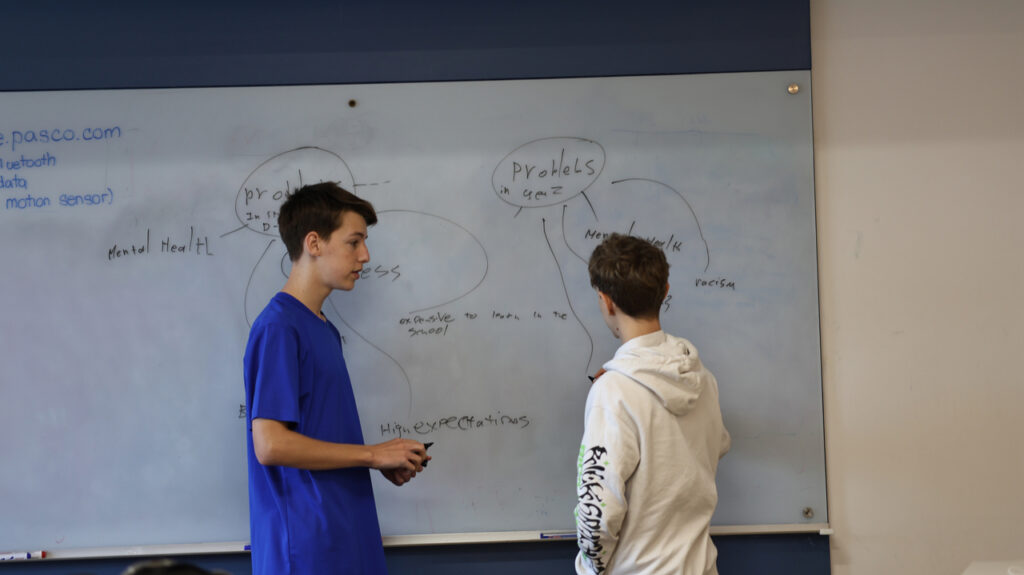
Social Action and Entrepreneurship
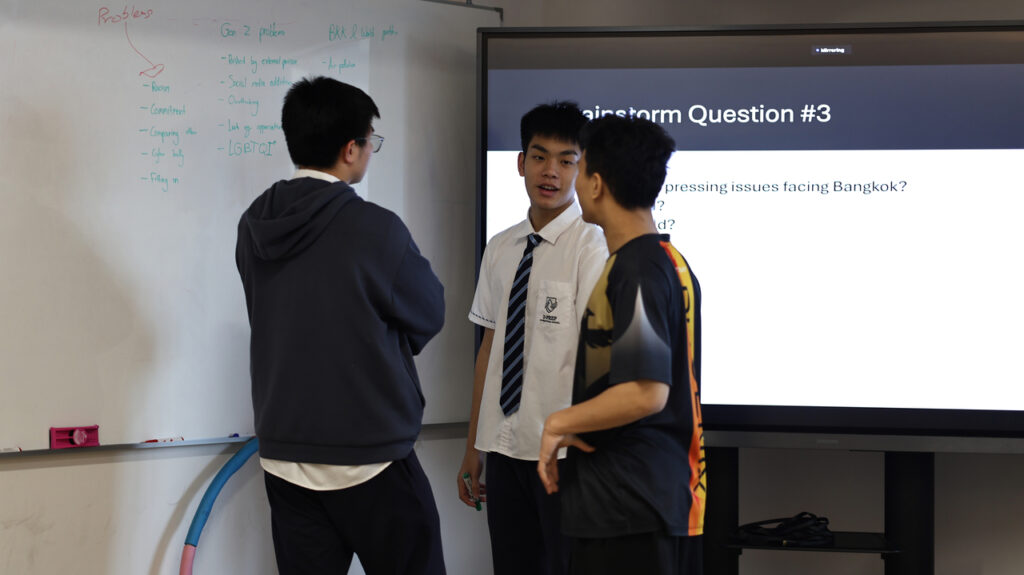
The world has no shortage of problems, and this course asked students to take those problems seriously. From climate change and mental health to financial inequality and cyberbullying, students researched real global issues and developed thoughtful, ethical solutions. By balancing leadership with character, they explored how business thinking and social action can work together to drive real change, with the understanding that true innovation must always be rooted in ethics and empathy.
Structural Engineering
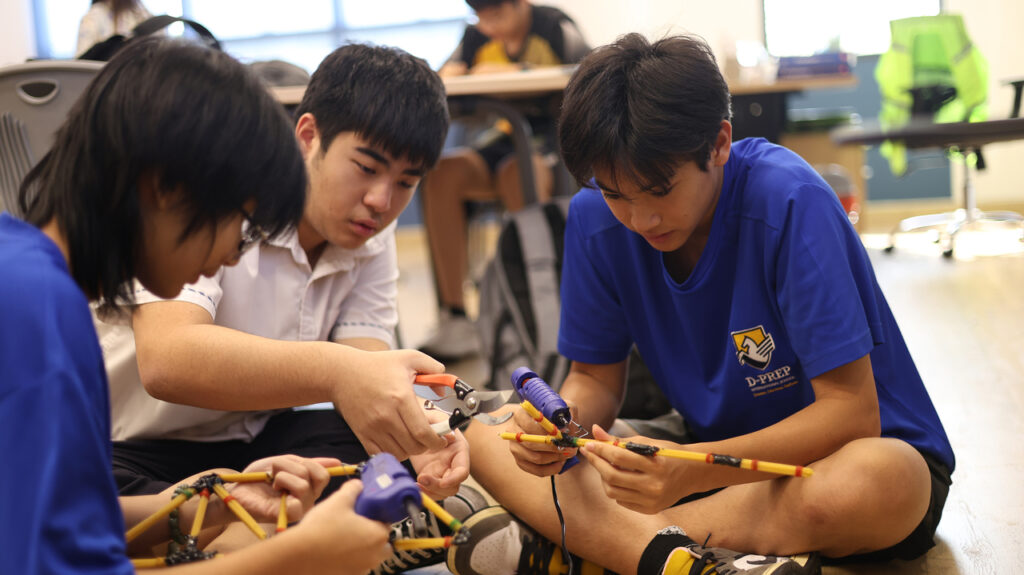
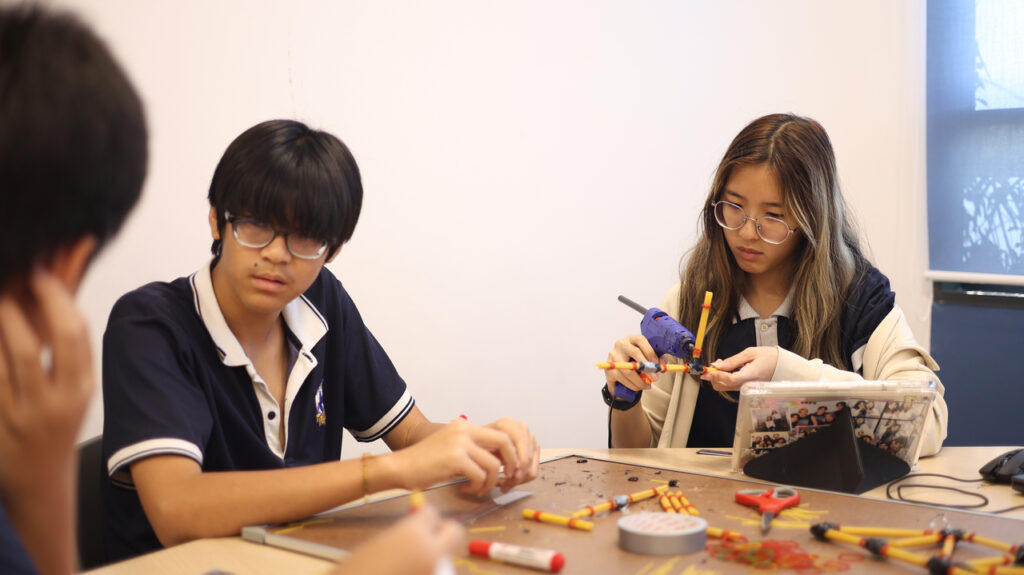
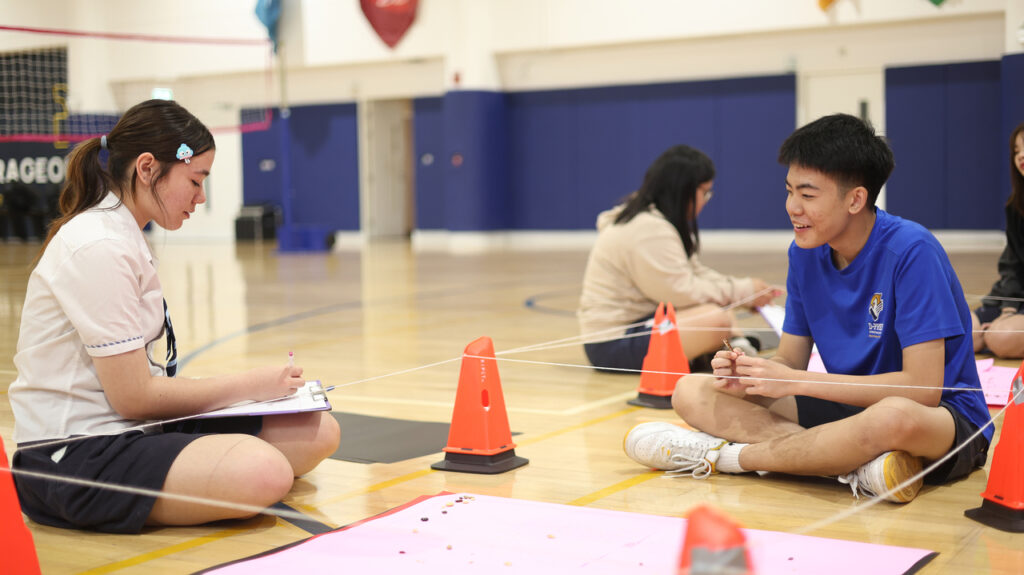
Behind every bridge, building, and structure is a set of decisions engineers made to ensure it would hold. In this course, students explored exactly how those decisions get made, studying core concepts like load distribution, tension, and balance to understand what keeps a structure standing. To put theory into practice, they built bridges using spaghetti sticks and tested their models by carefully measuring exactly how much weight the structure could hold before the sticks bended. It was a complex challenge that proved engineering is as much an art as it is a science.
Archaeology
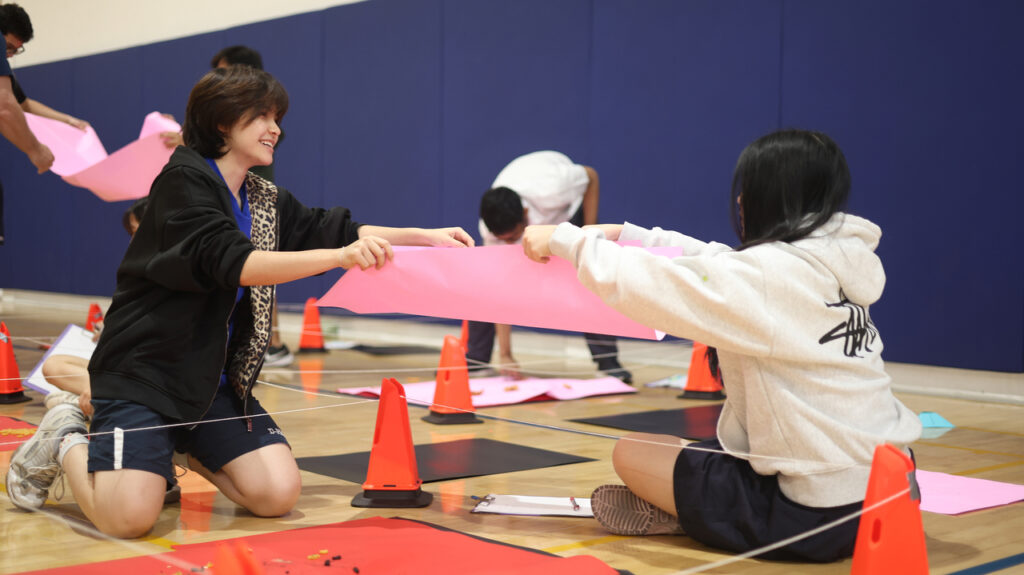
Students learned how archaeologists piece together the past by studying physical evidence. They examined ruins, structures, and remains to analyze what a layout reveals about how people once lived. This included a field experience to Ayutthaya to investigate firsthand. Back in the classroom, they worked through an excavation simulation, drawing conclusions about what a site once was based only on the materials left behind.
Abnormal Psychology
Human behavior does not always follow logic, and that is what makes it so fascinating to study. Why do people make irrational decisions? What creates social biases? What drives behaviors that seem impossible to explain? This course gave students the framework to start answering those questions, studying cognitive patterns and social perception through a scientific lens. For their final project, they designed a psychological escape room from the ground up, a process that involved building the entire environment themselves and strategically scattering clues to create a deep, psychological mind experience.