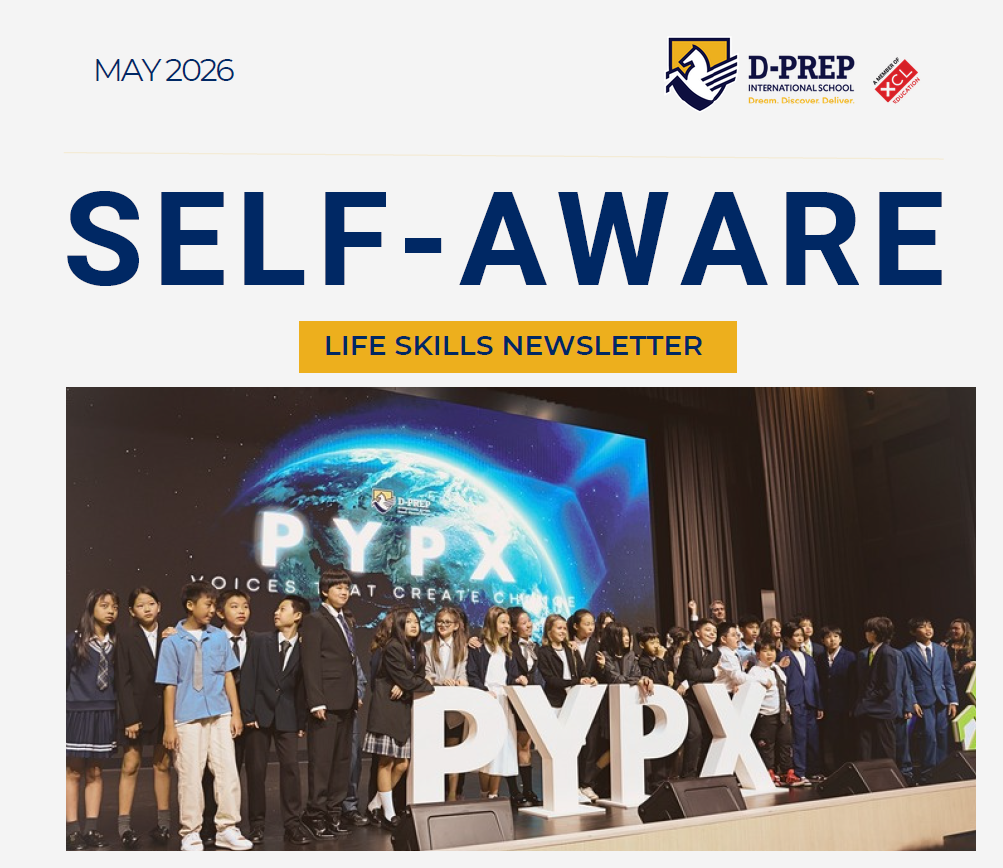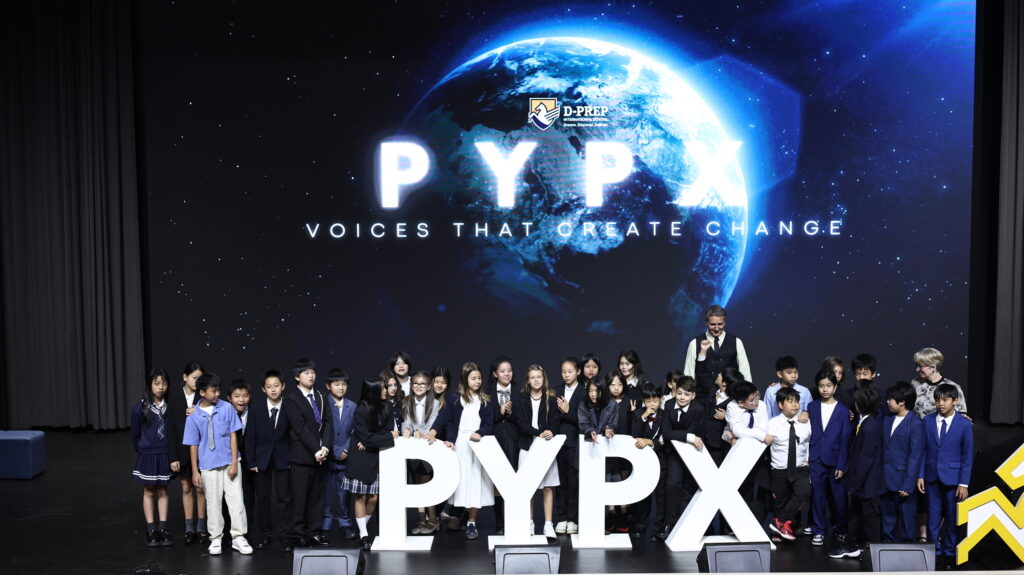
The International Baccalaureate Primary Years Programme Exhibition (PYPx) is more than a school research project. It is a milestone that shapes young learners into active thinkers, confident communicators, and compassionate problem solvers. This year, our Grade 5 students took center stage for their PYPx Talk driven by the idea that active citizens can influence change through different forms of expression.
By aligning personal passions with academic research, our students expressed their voices and used their unique skills to address current issues around the world to create positive change, whether in big or small ways. Their journey was connected to the United Nations Sustainable Development Goals (SDGs) and they conducted fieldwork, overcame challenges in their chosen goal, and proved that nobody is too young to make a positive difference.
1. No Poverty (SDG1)
Poverty is a cycle that strips away health, limits opportunities, and compromises a child’s future. This group recognized that media holds immense global reach, so they used digital technology to break down misconceptions and expose the harsh reality of economic inequality. They produced documentary-style videos and digital campaigns designed to inspire donations and community support, using digital storytelling as a direct call to action.
2. Zero Hunger (SDG2)
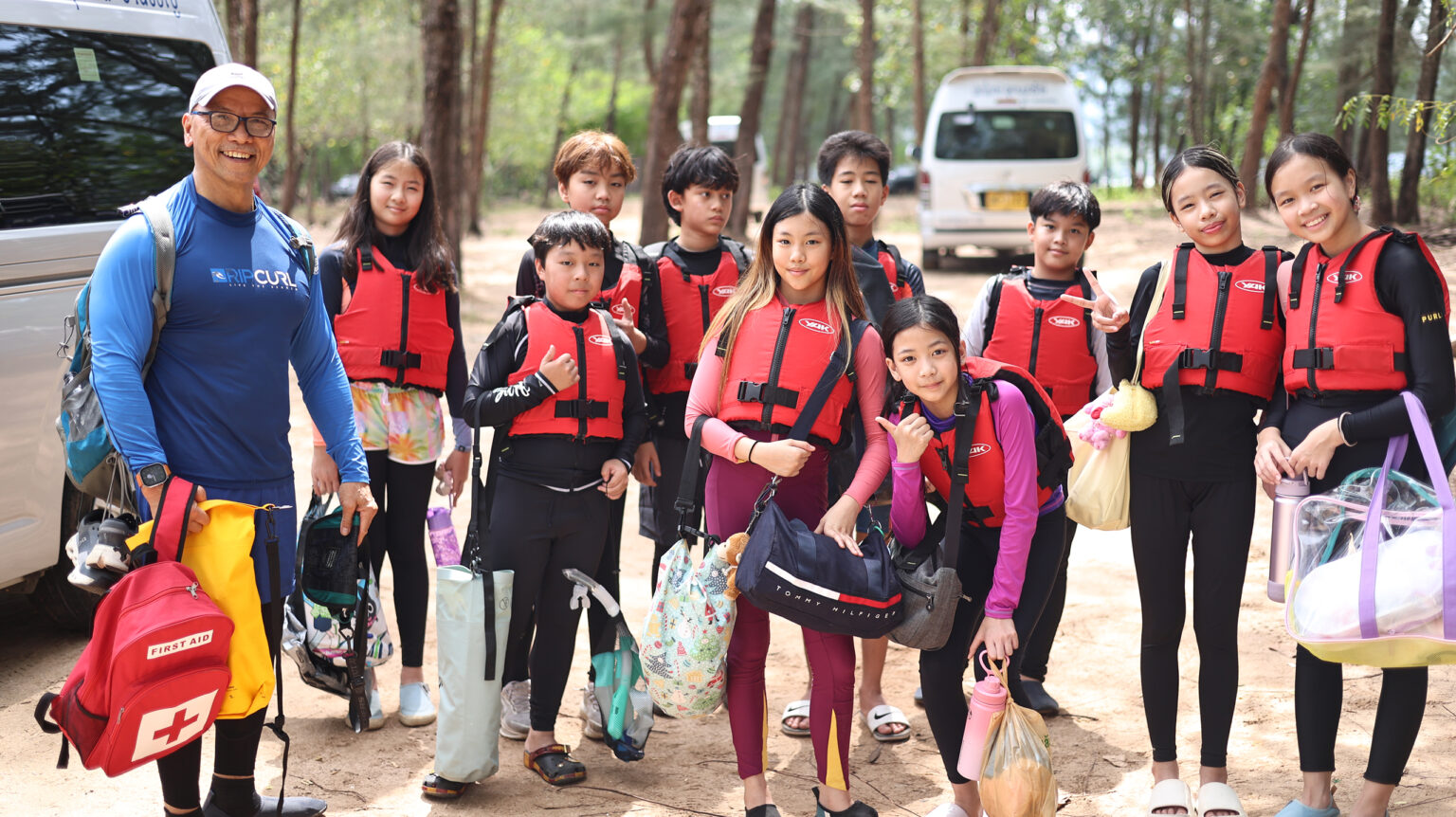
This group combined three distinct passions, music, construction, and cooking, to explore sustainable solutions for food scarcity. Through research, they learned that specific sound vibrations can stimulate plant cells and accelerate growth. They conducted fieldwork at a local farm, built a functional hydroponic system from scratch, grew fresh produce, cooked healthy meals with their harvest, and integrated music into the whole process.
3. Good Health and Wellbeing (SDG3)
Before you make a lasting impact on the world, you need a healthy community first. This group looked at health holistically, covering everything from nutrition to the global stigma around mental health, using public speaking, fitness, and digital media to spread their message. The esports team visited a gaming center to observe habits and advocate for a balanced digital life with reduced screen time. The music team researched how sound frequencies alter brain waves to reduce stress, then conducted a live sound healing session with primary students to see if classroom concentration improved. To promote physical health, they organized a community Fun Run at D-PREP to raise money for charity, interviewed active individuals at a public park, and donated sports equipment to a local Thai school.
4. Quality Education (SDG4)
Education is a fundamental human right, yet 286 million children worldwide have no access to schooling at all. Driven by passions for sports, writing, and English, this group addressed both systemic barriers and classroom fairness. They volunteered to teach English to younger children, knowing that language opens doors to better opportunities. They also launched a school-wide donation drive for books and sports equipment to support underprivileged children.
5. Reduced Inequality (SDG10)
Inequality takes many forms, and this group used fashion, storytelling, and sports to confront them. The fashion team investigated fast fashion and discovered that discarded clothing in landfills has grown so massive it can be seen from space on Google Earth. After visiting Moreloop, a factory that converts surplus fabrics into new products, they hosted a workshop teaching primary students to upcycle old cloth into bags, clothes, accessories, and more. The storytelling team printed original books to help younger readers understand inequality. The sports team raised funds to donate gear to a local Thai school and hosted inclusive football matches for both boys and girls, making an important point that equal access belongs to everyone.
6. Climate Action and Responsible Consumption (SDGs 12 and 13)
These were two separate groups, but they recognized that climate change and consumption habits are too connected to address apart. The problem they focused on was close to home: wasted art supplies contributing daily to landfills and chemical pollution. For inspiration, they visited the Lanya Art Exhibition to see how artists use recycled materials creatively. Back at school, they hosted workshops for primary students and built art installations from plastic waste, including a turtle mural and a hanging jellyfish sculpture, turning everyday waste into a clear message about ocean pollution.
7. Life on Land (SDG15)
Tapirs have lived on Earth for 29 million years, yet most people have never heard of them. Today, they are endangered. Driven by a love for animals, this group researched the threats behind the Malayan tapir’s decline, from habitat loss to illegal hunting, and brought those findings directly to primary students through an educational talk. Their booth used visual displays to show the tapir’s shrinking habitat and urged their audience to support conservation before this ancient species disappears entirely.
8. Peace, Justice, and Strong Institutions (SDG16)
Peace is not only something nations need. It must be practiced in our schools, communities, and everyday lives. This group used technology, literacy, content creation, and sports to explore justice, equality, and human rights. Their research uncovered systemic injustices that still shape daily life: children’s voices are just as valuable and deserving protection as adults. They created digital content, written guides, and awareness campaigns to help people recognize unfair treatment, advocate for themselves, and resolve conflicts.