You can study coral reefs on a screen, read about rising ocean temperatures in a textbook, and still walk away feeling like it has nothing to do with you. Marine conservation is one of those topics that has to be lived to be understood, and that is exactly the approach Grade 6 has taken this year.
For many months, our students have been working through their Marine Conservation unit, and the goal was never just to learn about the ocean. It was to understand it, feel connected to it, and figure out what their role in protecting it actually looks like. Here is how they have been doing it.
Fieldwork and Real-World Visits
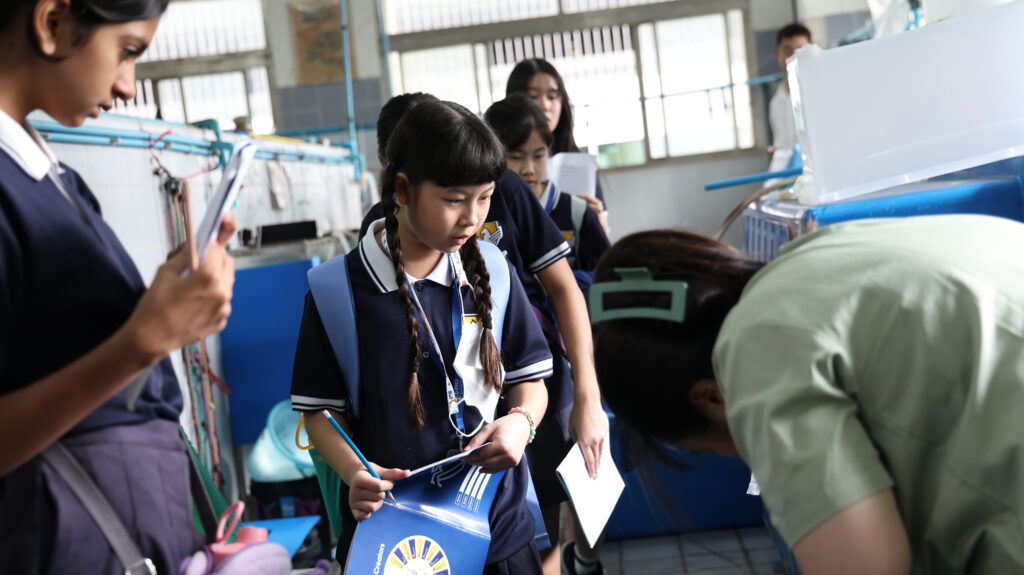
Students visited Chulalongkorn University’s animal hospital, where they observed how injured sea turtles and aquatic animals are rehabilitated using real medical equipment, asked questions, and left with a much clearer picture of what conservation work looks like in practice.
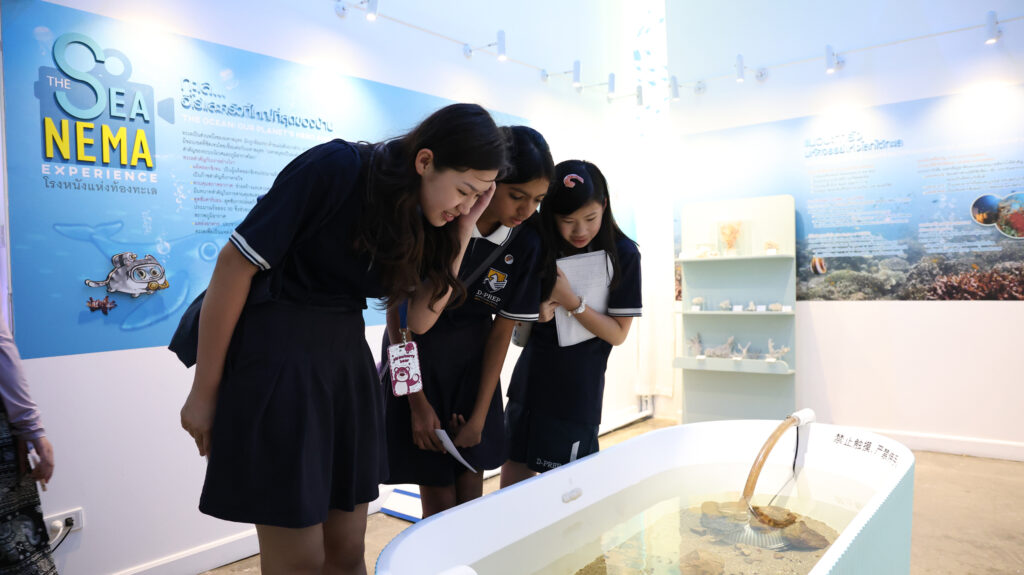
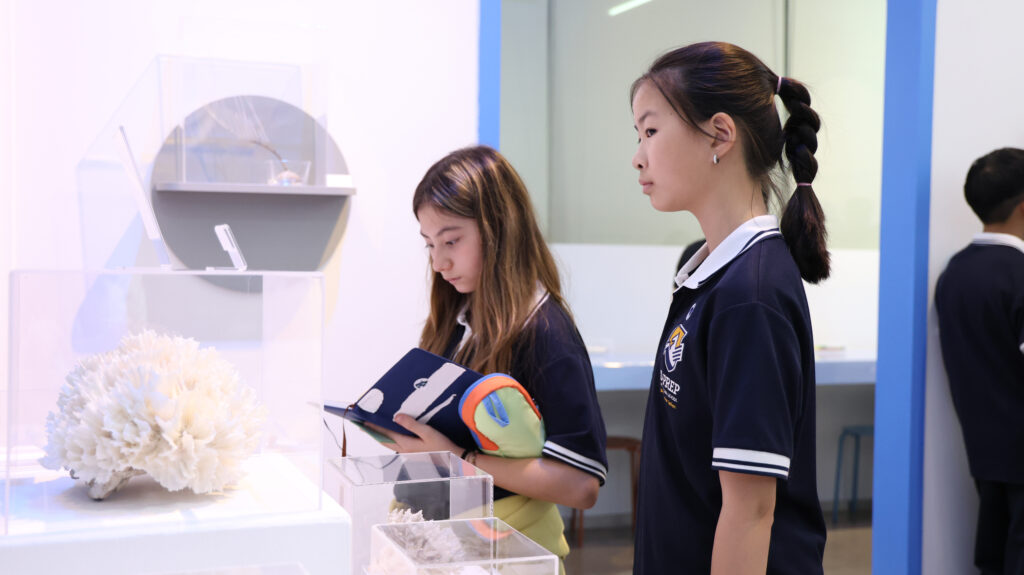
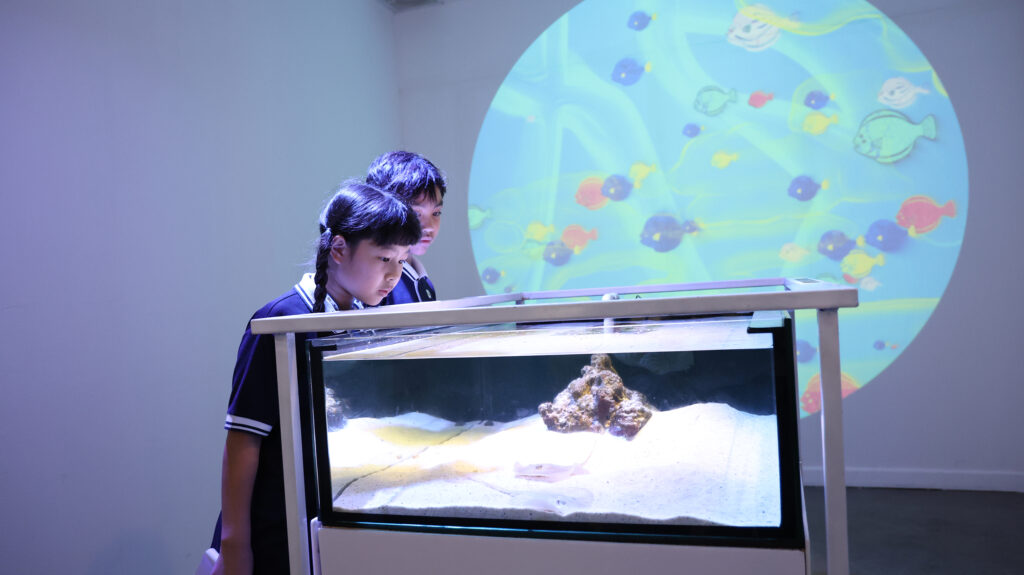
At the Seanema Science Museum, they explored coral ecosystems through interactive exhibits, learning how corals reproduce, why bleaching happens, and what warming oceans are doing to reef systems around the world.
They also visited a turtle conservation site, where they cleaned and cared for turtles, learned what rehabilitation actually involves, and eventually released rescued turtles back into the ocean themselves.
Swimming, Snorkling, and the Coral Expedition
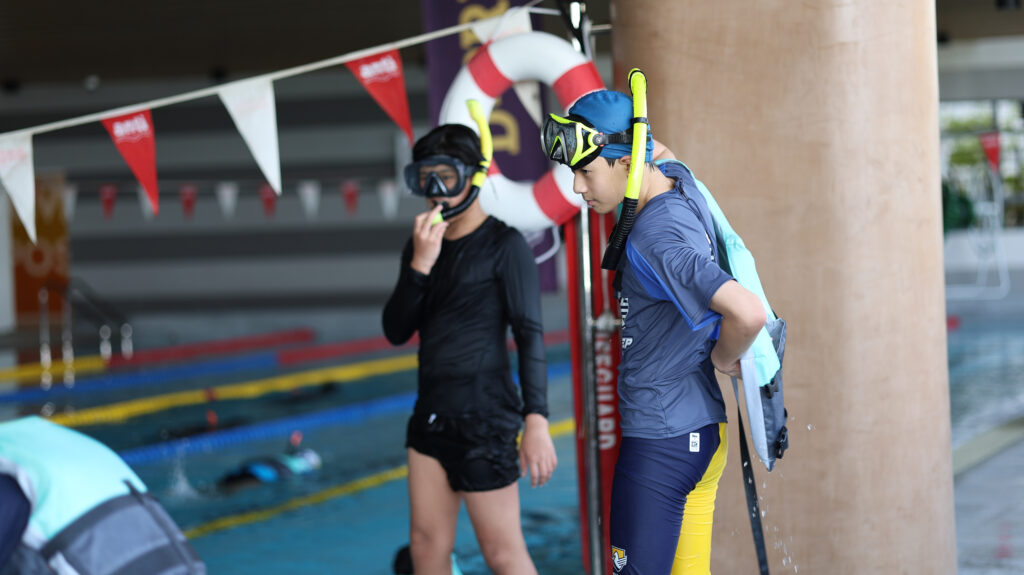
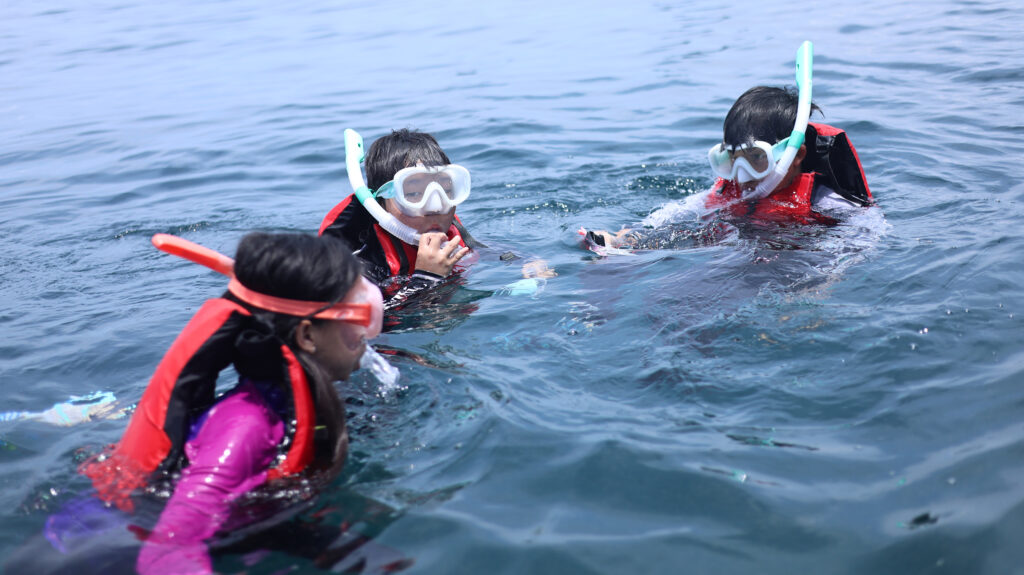
To prepare for their coral expedition to Krabi, students spent weeks in swimming and snorkeling practice, working on safety measures, building technique, and developing the confidence to explore the ocean themselves. They had to learn not just how to snorkel but the right equipment to use and the rules that keep you safe when doing something entirely new.
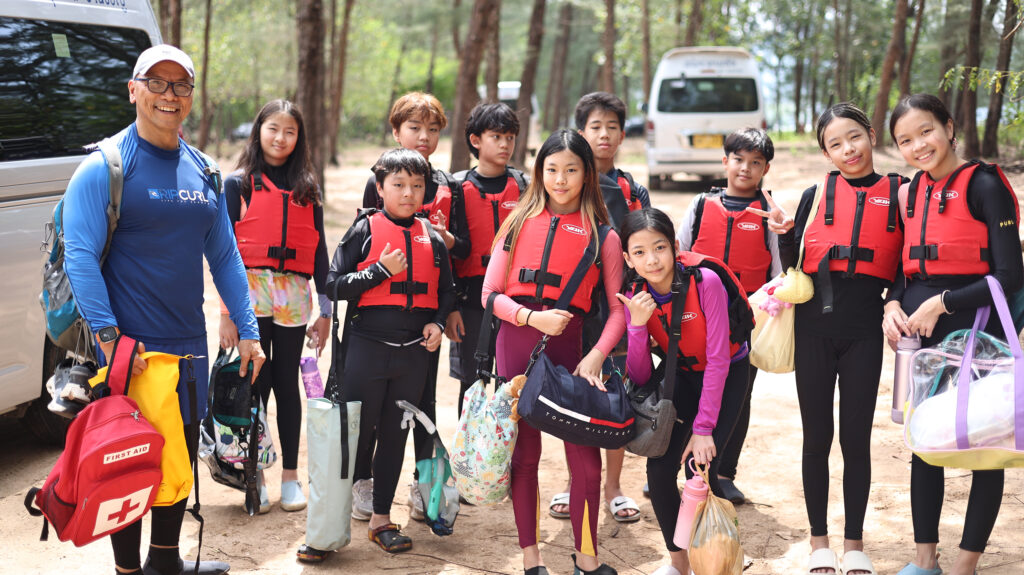
In Krabi, they worked with NatureMind-ED for three days, learning about marine life, sharks, and coral ecosystems up close. They hiked up to Spirit Mountain, and for two consecutive days, dived into the ocean, recording their findings and observing the underwater world they had spent months studying. They also took part in a coastal cleanup, and after everything they had learned about human impact on the ocean, that work hit differently.
Learning that Stays With You
All of this is an extension of what is already happening academically at school. Everything they explored in the field, they brought back to their studies, from lab experiments to research posters on reef ecosystems and climate change. We believe that when students learn through experience, something changes. They stop waiting for answers and start forming better questions, seeing themselves not just as students but as people with a real stake in the world around them. Through this unit, our Grade 6 students have grown academically and personally, beginning to understand that they are responsible, for each other, for this planet, and for the environment they are inheriting.