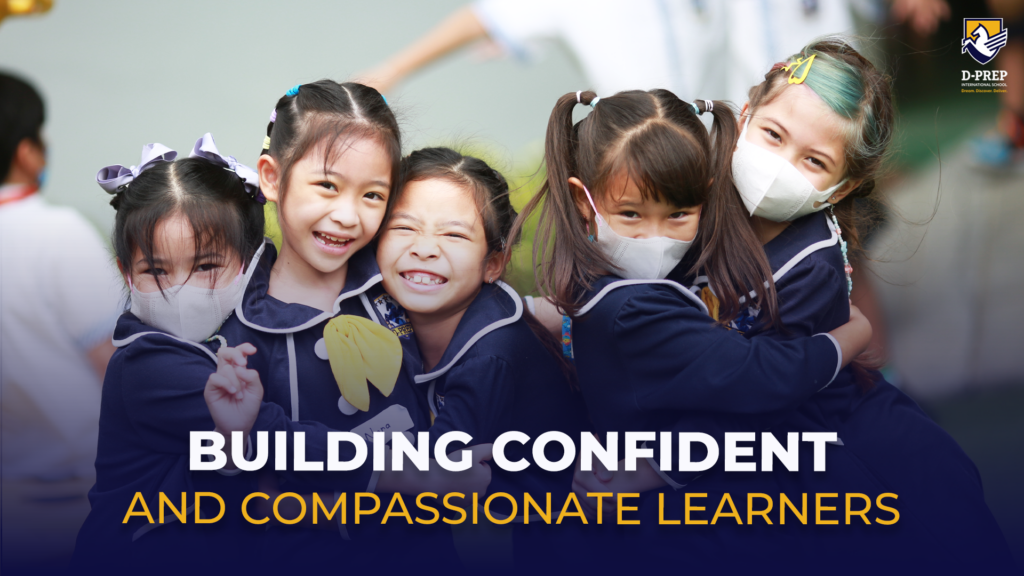
Our mission is to nurture open-mindedness to shape well-rounded, happy individuals. This value is one of the core principles we consistently develop in our students, reflected in our daily lessons and activities. Yet, the term “open” is often misunderstood and sometimes seen as lacking principles or boundaries. In this post, we’ll explore what openness truly means and why it’s essential for our learners.
So, what does it really mean to have an open mind, and why is it important to practice it?
What is Openness?
Openness involves a willingness to explore new ideas, understand different perspectives, and approach every situation with a growth mindset. It means being curious, receptive, and eager to learn from every experience—inside and outside the classroom. This mindset helps students better understand themselves and others while fostering empathy and expanding their worldview.
Why Openness is a Game-Changer for Students
Encourages Personal Growth
An open mindset fosters a growth-oriented attitude. Open-minded students are more likely to embrace challenges, ask questions, and dive into new subjects. They see setbacks as learning opportunities, which builds resilience and confidence in both academics and everyday life. It also enhances emotional intelligence by helping students become more accepting and aware of their feelings and those of people around them, building them into empathetic individuals who can relate to different perspectives and form stronger connections with the world around them.
Builds Stronger Relationships
As our students grow, they will meet people from diverse backgrounds. These differences should be celebrated as opportunities to learn from one another, not seen as hurdles. An open mindset helps our students form deeper connections, teaching them to respect various ideas and viewpoints. This skill is vital in our interconnected world, where being respectful, embracing differences, and acting as a bridge across diversity is essential. Building these bridges begins with openness.
Prepares for a Changing World
The future is always changing, and developing an open mindset is crucial for our students to grow and adapt to these constant shifts. An open mind helps them adjust to new environments, work with different people, and face challenges with confidence. While it’s important to learn from books and gain the knowledge needed for school and university, what truly matters is cultivating the life skill of being open-minded—not just in academics, but in all aspects of life. This adaptability is essential for success in school and sets them up for whatever comes next.
How We Cultivate Openness
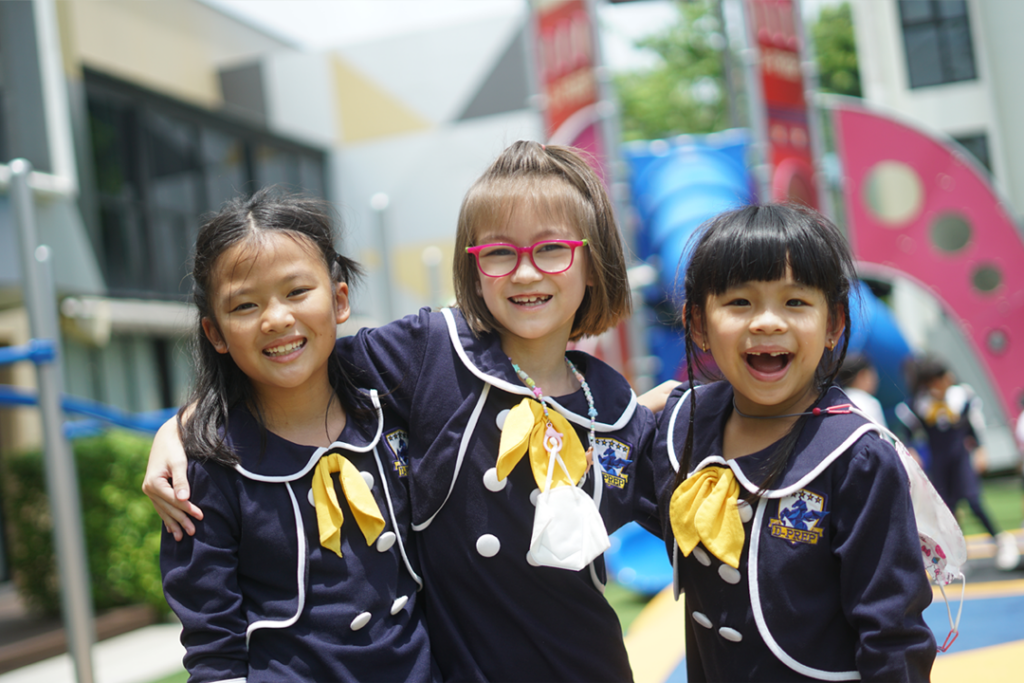
In school, Life Skills are practiced both inside and outside the classroom. Weekly Life Skills sessions are integrated in the curriculum in all grade levels, but it’s also the teachers’ role to weave these values into various contexts for students. “Aside from meditation, we’ve had enriching discussion about open-mindedness in the class, where children freely express their thoughts and learn from one another,” shared Ms. Pragya, an Early Years teacher. “Whether through collaborative projects or problem-solving activities, the children have had ample opportunities to practice this value.”
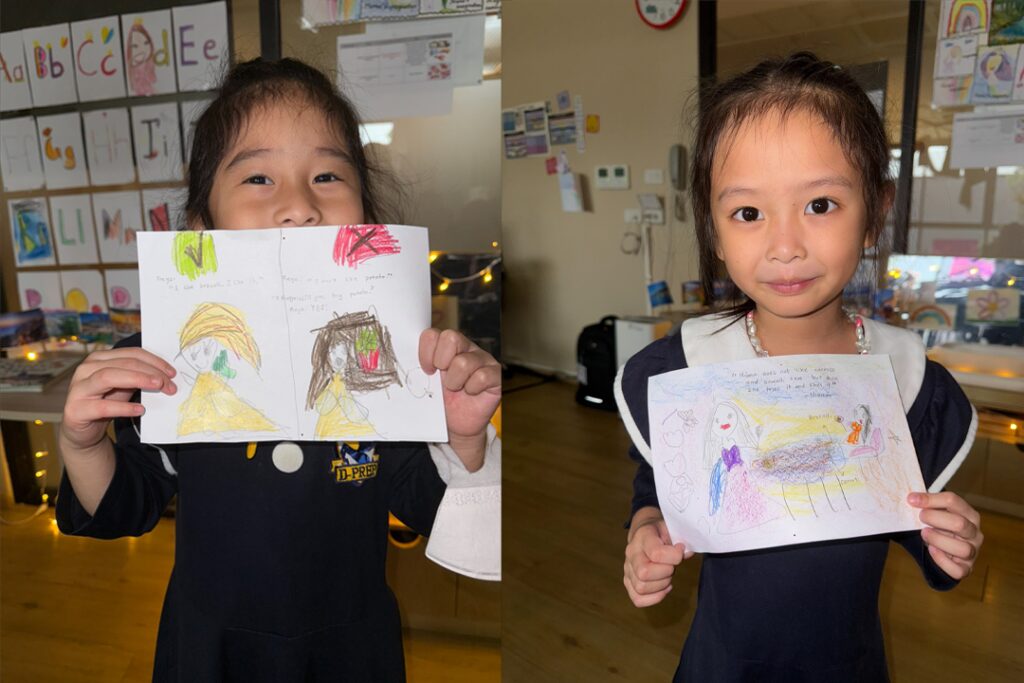
In Primary, students practiced openness through game-like activities such as “Human Bingo.” which encouraged students to communicate with as many classmates as possible and learn about each other. Another activity involved creating “mindful jars.” where the contents symbolized a mix of emotions, teaching students to be open to accepting all their feelings and regulate them when overwhelmed. Then there is a heartwarming exercise involved by sharing “compliment cards” with friends, promoting kindness by appreciating each other’s positive qualities, whether similar or different.
The older students took this step further through Theme Week, a student-led project designed to practice leadership and strengthen the school community. This event pushed our Secondary students to embrace unfamiliar experiences, including potential failures, and see these as steps toward learning and personal growth. Fully led by the students, Theme Week provided an opportunity for them to apply open-mindedness – by actively listening to the diverse perspectives of their peers and collaborating to achieve a successful outcome.


Openness Leads to Happiness and Success
An open mindset is central to a child’s growth and happiness. When students learn to embrace new ideas and respect different viewpoints, they become more confident, compassionate, and resilient. We believe that fostering openness equips children with the essential skills needed to navigate a constantly changing world and lead fulfilling, meaningful lives.